

Tag: guide

Beyond Disney: Unveiling Lesser-Known Animation Styles Worldwide
When we think of animation, images of beloved Disney characters often dance in our minds—Mickey Mouse’s playful antics or the enchanting worlds of Pixar. But there’s a vibrant tapestry of animation beyond the House of Mouse that deserves our attention! From the bold brushstrokes of Japanese anime to the intricate puppetry found in Eastern Europe, global storytelling through movement offers a kaleidoscope of styles and techniques waiting to be explored. Join us on an exhilarating journey as we dive into lesser-known animation traditions from around the world, celebrating their unique artistry and cultural significance.
Hungary’s Rotoscope-Driven Surrealism
Hungary doesn’t usually pop up on the animation radar, but it should. Back in the 1970s and ’80s, Hungarian studios were experimenting with rotoscoping (tracing over live-action footage) to create these haunting, almost dreamlike animations. Think surreal visuals layered with philosophical commentary—kind of like if Salvador Dalí had directed a cartoon. One standout example? “Fehérlófia” (Son of the White Mare), a psychedelic retelling of Hungarian folklore with swirling colors and mind-bending transitions. It’s less of a movie and more of a visual fever dream—in the best way possible.
China’s Ink Wash Animation
If you’ve never seen Chinese ink wash animation, prepare to be blown away. This style blends traditional Chinese ink painting techniques with modern animation, creating something that’s equal parts elegant and emotive. This art form took off in the mid-20th century with short films like The Cowboy’s Flute and Feelings of Mountains and Waters, which look like living scroll paintings. They’re quiet, poetic, and often dialogue-free—just flowing ink lines and expressive music telling the story. It’s not flashy, but that’s what makes it special. It’s the kind of animation that feels like meditation.
India’s Sand Animation
 Sand animation is exactly what it sounds like—artists create stories by shaping sand on a backlit surface, frame by frame. While this style has popped up in different countries, Indian animators have brought a particularly poetic and expressive touch to it. Stories often draw on mythology and classical themes, with each swirling grain helping paint tales that are both timeless and tactile.
It’s a niche within a niche, but it’s gaining global attention, especially through live performances where the animation happens in real-time.
Estonia’s Stop-Motion Oddities
Estonia has quietly built a reputation for crafting weird and wonderful stop-motion animation. Estonian animators often lean into darker, offbeat storytelling—with lots of handmade textures and characters that look like they were pulled from a dusty attic. One example is Priit Pärn’s work, which mixes grotesque humor with social satire. The animation is intentionally janky, the characters are exaggerated, and the vibe is both uncomfortable and brilliant. If Wes Anderson went on a week-long bender and decided to make a puppet show about existential dread, it would probably look like Estonian stop-motion.
South Africa’s Mixed-Media Mashups
In South Africa, animation is often used as a tool for cultural expression and political commentary. What makes the style stand out is how many artists blend traditional hand-drawn methods with digital tools, collage, and even graffiti influences. The result? Animation that feels raw, fresh, and deeply personal. Studios like Triggerfish are starting to bring more attention to the region, but the indie scene is where the boldest voices live. Animation isn’t just about polished 3D or mass-market cartoons—it’s an art form that changes shape depending on the culture, tools, and vision behind it. These niche animation styles from around the world prove that creativity thrives in unexpected corners, and sometimes the most magical stories come from places you’d never think to look.…
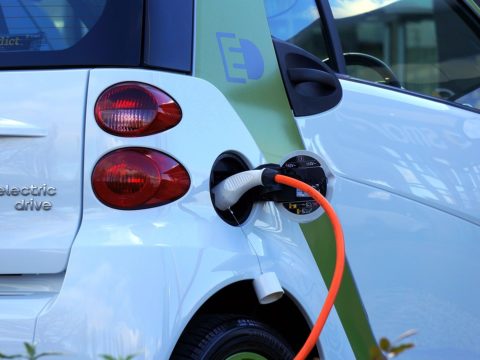
Why Some 3rd World Countries Hesitate to Embrace Electric Vehicles
The global shift towards sustainable transportation, epitomized by the growing popularity of electric vehicles (EVs), has garnered significant attention in recent years. However, while many developed nations are swiftly adopting EVs as a means to reduce carbon emissions and combat climate change, some third-world countries remain hesitant to embrace this technological transition fully. The skepticism surrounding electric vehicles in these regions stems from a complex interplay of economic, infrastructural, and socio-cultural factors. Let’s delve into why some third-world countries are cautious about the widespread adoption of electric vehicles:
High Initial Costs and Affordability Concerns
 One of the primary barriers to the adoption of electric vehicles in third-world countries is the high upfront costs associated with purchasing EVs. While EV technology has become more accessible and affordable in developed nations, the price of electric vehicles remains prohibitive for many individuals and households in third-world countries. The affordability gap between electric and conventional vehicles poses a significant hurdle for widespread adoption, especially in regions where disposable incomes are limited and economic disparities are prevalent.
Limited Infrastructure for EV Charging
The successful integration of EVs into any transportation system relies heavily on the presence of robust charging infrastructure. However, many third-world countries lack adequate infrastructure to support widespread EV adoption. The scarcity of charging stations undermines the practicality and convenience of owning an electric vehicle. Without a comprehensive charging infrastructure network, potential EV owners may be deterred by concerns about range worries and the availability of charging stations during long journeys.
Challenges with Electricity Supply and Grid Reliability
The reliability and availability of electricity supply pose significant challenges to the adoption of EVs in third-world countries. Many regions grapple with frequent power outages, voltage fluctuations, and inadequate grid infrastructure, which undermine the feasibility of widespread EV charging. In such contexts, the prospect of relying on electric vehicles as a main mode of transportation may seem precarious, as drivers may be hesitant to invest in vehicles that depend on an unstable or unreliable electricity supply.
Limited Access to Financing and Incentives
Access to financing and government incentives can play a huge role in promoting the adoption of electric vehicles. However, in many third-world countries, access to affordable financing options for purchasing EVs is limited, and government incentives for electric vehicle adoption may be scarce or insufficient. Without financial support mechanisms in place to make EVs more accessible and attractive to consumers, the transition toward sustainable transportation may remain elusive for many individuals and businesses in these regions.
Cultural Perceptions and Preferences
Cultural attitudes and perceptions towards transportation modes also influence the adoption of electric vehicles in third-world countries. In some regions, there may be a cultural preference for conventional gasoline or diesel vehicles rooted in familiarity, perceived reliability, and status symbolism. Electric vehicles may be perceived as novel or unfamiliar, leading to skepticism or resistance to change among certain segments of the population. Overcoming cultural barriers and fostering acceptance of electric vehicles may require targeted education and awareness campaigns tailored to local contexts.
Concerns about Technological Dependence and Maintenance
Some third-world countries may harbor concerns about the dependence on foreign technology and expertise associated with electric vehicles. The reliance on imported components, specialized maintenance requirements, and potential technological obsolescence may raise apprehensions about the long-term sustainability and affordability of electric vehicle ownership. Addressing these concerns entails developing local expertise, fostering domestic manufacturing capabilities, and ensuring adequate technical support infrastructure for electric vehicles.
Conclusion
Skepticism surrounding electric vehicles in some third-world countries reflects a confluence of economic, infrastructural, and socio-cultural challenges. Overcoming these limitations requires a multifaceted approach that addresses affordability, infrastructure development, electricity supply reliability, financing accessibility, cultural perceptions, and technological concerns. By strategically addressing these challenges and promoting the benefits of electric mobility, policymakers, industry stakeholders, and advocacy teams can pave the way for a more sustainable and inclusive transportation future in third-world countries.
…

