

Category: Auto
Why Some 3rd World Countries Hesitate to Embrace Electric Vehicles
The global shift towards sustainable transportation, epitomized by the growing popularity of electric vehicles (EVs), has garnered significant attention in recent years. However, while many developed nations are swiftly adopting EVs as a means to reduce carbon emissions and combat climate change, some third-world countries remain hesitant to embrace this technological transition fully. The skepticism surrounding electric vehicles in these regions stems from a complex interplay of economic, infrastructural, and socio-cultural factors. Let’s delve into why some third-world countries are cautious about the widespread adoption of electric vehicles:
High Initial Costs and Affordability Concerns
 One of the primary barriers to the adoption of electric vehicles in third-world countries is the high upfront costs associated with purchasing EVs. While EV technology has become more accessible and affordable in developed nations, the price of electric vehicles remains prohibitive for many individuals and households in third-world countries. The affordability gap between electric and conventional vehicles poses a significant hurdle for widespread adoption, especially in regions where disposable incomes are limited and economic disparities are prevalent.
Limited Infrastructure for EV Charging
The successful integration of EVs into any transportation system relies heavily on the presence of robust charging infrastructure. However, many third-world countries lack adequate infrastructure to support widespread EV adoption. The scarcity of charging stations undermines the practicality and convenience of owning an electric vehicle. Without a comprehensive charging infrastructure network, potential EV owners may be deterred by concerns about range worries and the availability of charging stations during long journeys.
Challenges with Electricity Supply and Grid Reliability
The reliability and availability of electricity supply pose significant challenges to the adoption of EVs in third-world countries. Many regions grapple with frequent power outages, voltage fluctuations, and inadequate grid infrastructure, which undermine the feasibility of widespread EV charging. In such contexts, the prospect of relying on electric vehicles as a main mode of transportation may seem precarious, as drivers may be hesitant to invest in vehicles that depend on an unstable or unreliable electricity supply.
Limited Access to Financing and Incentives
Access to financing and government incentives can play a huge role in promoting the adoption of electric vehicles. However, in many third-world countries, access to affordable financing options for purchasing EVs is limited, and government incentives for electric vehicle adoption may be scarce or insufficient. Without financial support mechanisms in place to make EVs more accessible and attractive to consumers, the transition toward sustainable transportation may remain elusive for many individuals and businesses in these regions.
Cultural Perceptions and Preferences
Cultural attitudes and perceptions towards transportation modes also influence the adoption of electric vehicles in third-world countries. In some regions, there may be a cultural preference for conventional gasoline or diesel vehicles rooted in familiarity, perceived reliability, and status symbolism. Electric vehicles may be perceived as novel or unfamiliar, leading to skepticism or resistance to change among certain segments of the population. Overcoming cultural barriers and fostering acceptance of electric vehicles may require targeted education and awareness campaigns tailored to local contexts.
Concerns about Technological Dependence and Maintenance
Some third-world countries may harbor concerns about the dependence on foreign technology and expertise associated with electric vehicles. The reliance on imported components, specialized maintenance requirements, and potential technological obsolescence may raise apprehensions about the long-term sustainability and affordability of electric vehicle ownership. Addressing these concerns entails developing local expertise, fostering domestic manufacturing capabilities, and ensuring adequate technical support infrastructure for electric vehicles.
Conclusion
Skepticism surrounding electric vehicles in some third-world countries reflects a confluence of economic, infrastructural, and socio-cultural challenges. Overcoming these limitations requires a multifaceted approach that addresses affordability, infrastructure development, electricity supply reliability, financing accessibility, cultural perceptions, and technological concerns. By strategically addressing these challenges and promoting the benefits of electric mobility, policymakers, industry stakeholders, and advocacy teams can pave the way for a more sustainable and inclusive transportation future in third-world countries.
…
How to Avoid Falling Asleep When Driving
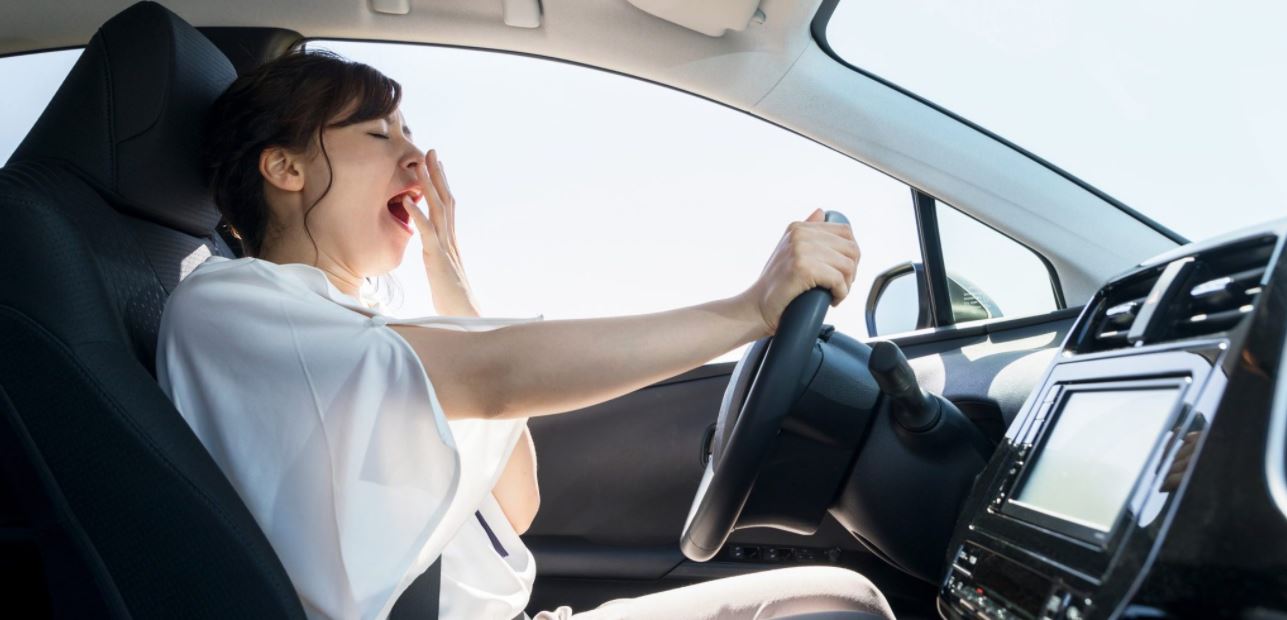
Tiredness and drowsiness when driving often leads to road accidents and serious consequences; staying even a second with your eyes closed at a speed of 100 km/h means traveling almost 28 meters without seeing. You should do your best to avoid falling asleep when driving. Here are a few tips that can help you.
Get Enough Sleep
Before embarking on a car or motorcycle trip, it is important to be well-rested and get enough sleep. Better to postpone departure after an insufficient night’s sleep. In addition, it would be advisable to take a nap every four hours, no longer than 20 or 30 minutes.
Avoid Inappropriate Times and Night Driving
 Adjust the departure time to your biological rhythm to stay responsive while awake. The most problematic times are usually between 2 and 5 in the morning and between 1 and 5 in the afternoon. Take regular breaks, get out of the car and take some time for a short walk in the fresh air at a rest area.
Watch What You Eat
Do not leave hungry or with a full stomach. Both situations compromise your efficiency. While driving, only have light snacks. Avoid sweets that give you an immediate burst of energy but can cause drowsiness due to their digestion soon after.
Carry Enough Drinks
Keep enough drinks on board, not just for long car journeys. Drink plenty of water or unsweetened juices or sodas. Strictly avoid alcoholic beverages.
Take Turns With Your Partner
An interesting audiobook can keep you awake during a monotonous activity such as a long drive, and when traveling with other people, take turns driving.
Avoid Overuse of Drugs
Overuse of drugs and the side effects of some of them can include drowsiness while driving and a decrease in the attention span, leading to a possible sleep stroke. So if you have any doubts about the effects of a drug or suffer from sleep disorders, contact your doctor or pharmacist.
Contrary to what many think, even loud music does not help ward off fatigue and travel safely.
The assistance systems for the driver can be beneficial in case of sudden fatigue, to maintain a constant trajectory on track, anticipate a foreseeable obstacle or make a timely stop when needed. If you have sensors for steering wheel assistant and lane control in your car, you will be alerted if you make any sudden maneuvers or skids. If the systems are activated because you are trying to counteract fatigue, you should take a break.…

Top 4 Benefits of Car Leasing
A car lease is an alternative for purchasing a vehicle outright. But with this alternative, it is essential for the buyer to understand that there are other extra fees you will have to incur. You can be asked to pay for additional costs such as the interest on the loans and the taxes. Also, you should remember that your monthly lease payment will be calculated to cover any depreciation that the vehicle is expected to go through during the period of your lease.
But other individuals find this alternative to be the best more especially those individuals who do not have the exact money required to buy a new car. Everything has its merits and demerits. The same applies to car leasing. But in this post, we will try to look at the top reasons why you should consider a lease next time.
Drive a Reliable Car
Many people when they are buying their new cars for the first time, most of them get worried that they might not find a reliable and robust vehicle that will last for an extended period. However, you should know that the older the car gets, the less credible they become. But when you lease a vehicle, this will never be a problem because you will be driving a new car. Another advantage you will get is that if anything goes wrong, your vehicle will be covered depending on the manufacturer’s warranty.
Latest and Safety Features
 Technology is advancing, and there are a lot of innovations we see daily. In the vehicle manufacturing industry, they are also using some of these innovations in different types of vehicles. Since you will be driving a new car, you are likely to befit from these safety features that the manufacturers are introducing. Some of the latest safety features you can get include the autonomous emergency braking that can help the driver to prevent crashes.
Avoid the Dealership Monopoly
When you are trying out car leasing, you should only be dealing with independent brokers who are always reviewing the market for affordable and the best rates. In this case, you will never be held captive to any dealership of finance. Also, with car leasing, you will not be traveling or moving around on various car dealerships trying to see the one that can offer you the best cost.
Drive a Better Car
As we have mentioned above, most of the car leasing dealers or companies operate as independent brokers. They are only getting the perfect deals over time from all the major finance dealerships or companies. Due to this reason, you will later realize that they can offer the best competitive rates in the market and this will lead to a reduction in your monthly costs. Lastly, when you are leasing, you have the chance to drive better cars compared to when you would have bought one.…

