

Tag: guide

Beyond Disney: Unveiling Lesser-Known Animation Styles Worldwide
When we think of animation, images of beloved Disney characters often dance in our minds—Mickey Mouse’s playful antics or the enchanting worlds of Pixar. But there’s a vibrant tapestry of animation beyond the House of Mouse that deserves our attention! From the bold brushstrokes of Japanese anime to the intricate puppetry found in Eastern Europe, global storytelling through movement offers a kaleidoscope of styles and techniques waiting to be explored. Join us on an exhilarating journey as we dive into lesser-known animation traditions from around the world, celebrating their unique artistry and cultural significance.
Hungary’s Rotoscope-Driven Surrealism
Hungary doesn’t usually pop up on the animation radar, but it should. Back in the 1970s and ’80s, Hungarian studios were experimenting with rotoscoping (tracing over live-action footage) to create these haunting, almost dreamlike animations. Think surreal visuals layered with philosophical commentary—kind of like if Salvador Dalí had directed a cartoon. One standout example? “Fehérlófia” (Son of the White Mare), a psychedelic retelling of Hungarian folklore with swirling colors and mind-bending transitions. It’s …
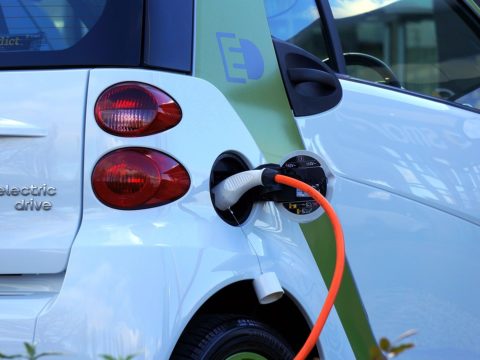
Why Some 3rd World Countries Hesitate to Embrace Electric Vehicles
The global shift towards sustainable transportation, epitomized by the growing popularity of electric vehicles (EVs), has garnered significant attention in recent years. However, while many developed nations are swiftly adopting EVs as a means to reduce carbon emissions and combat climate change, some third-world countries remain hesitant to embrace this technological transition fully. The skepticism surrounding electric vehicles in these regions stems from a complex interplay of economic, infrastructural, and socio-cultural factors. Let’s delve into why some third-world countries are cautious about the widespread adoption of electric vehicles:
High Initial Costs and Affordability Concerns
 One of the primary barriers to the adoption of electric vehicles in third-world countries is the high upfront costs associated with purchasing EVs. While EV technology has become more accessible and affordable in developed nations, the price of electric vehicles remains prohibitive for many individuals and households in third-world countries. The affordability gap between electric and conventional vehicles poses a significant hurdle for widespread adoption, especially in regions where disposable incomes are limited and economic disparities …

