

Tag: home
How Asphalt Shingles Compare to Tile Roofing Options
Choosing the right roofing material is essential to a home’s longevity and performance. Asphalt shingles and tile roofing are two of the most common options, each offering distinct benefits and limitations. Homeowners must consider factors such as durability, cost, maintenance, aesthetics, and climate suitability when making a decision. Understanding how these materials compare provides clarity on which roofing solution aligns best with specific needs, lifestyles, and long-term property goals.
Durability and Lifespan
Asphalt shingles are widely used due to their balance of cost and reliability. Standard asphalt shingles typically last between 15 and 30 years, depending on quality and climate conditions. They resist moderate wind and hail damage but may deteriorate more quickly under extreme weather conditions. Tile roofing, on the other hand, is renowned for exceptional durability, often lasting 50 years or more. Clay and concrete tiles can withstand harsh environmental conditions, including high heat, heavy rain, and strong winds. This longevity makes tile roofs a long-term investment, though initial installation costs are higher than those for asphalt roofs.
Maintenance and Repairs
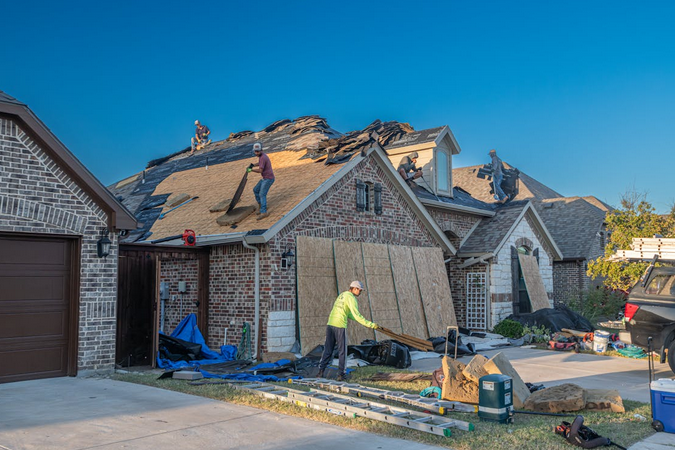
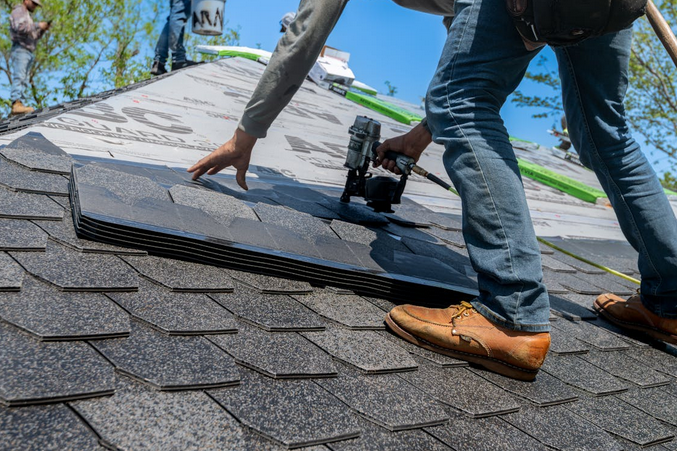
Maintenance requirements vary significantly between asphalt and tile roofs. Asphalt shingles require periodic inspection for damage, particularly after storms, and may need individual shingles replaced over time. They are relatively easy to repair, and most homeowners can address minor issues without specialized tools. Tile roofs demand less frequent maintenance due to their durability, but can be more complex to repair. Broken or cracked tiles must be replaced carefully to avoid damaging surrounding sections, and professional assistance is often required. Despite their complexity, tile roofs are less likely to suffer widespread wear than asphalt roofs.
Cost Considerations
Cost is a major factor influencing roofing decisions. Asphalt shingles are generally more affordable, both in materials and installation. They offer an economical option for homeowners seeking functional protection without a significant upfront investment. Tile roofing is more expensive due to heavier materials, specialized installation requirements, and additional structural support required for weight-bearing. While the long-term lifespan of tile may offset the higher initial cost, homeowners must weigh budget constraints against durability and maintenance expectations when selecting between the two options.
Aesthetic Appeal and Design Versatility
Both roofing options offer distinct aesthetic advantages. Asphalt shingles come in a variety of colors, styles, and textures, allowing homeowners to complement their exterior design affordably. Tile roofing offers a classic, timeless look, particularly with clay or concrete tiles, and is often associated with Mediterranean, Spanish, or modern architectural styles. Tiles can add significant visual appeal and increase property value, though customization options are typically more limited than those for asphalt, particularly in terms of color variety and pattern flexibility.
Climate and Energy Efficiency
Climate suitability plays a critical role in roofing choice. Asphalt shingles perform well in moderate climates but can deteriorate faster under extreme heat or freeze-thaw cycles. Tile roofing excels in hot climates due to its natural thermal properties, which reflect sunlight and help keep indoor temperatures cooler. Tile roofs also provide superior fire resistance compared to asphalt shingles, making them suitable for regions prone to wildfires. Considering environmental factors ensures that the selected roofing material performs optimally while contributing to energy efficiency and safety.
Asphalt shingles and tile roofing each offer unique advantages in durability, cost, maintenance, aesthetics, and climate adaptability. Asphalt shingles provide a cost-effective, versatile solution suitable for a wide range of homes and climates. At the same time, tile roofs offer long-term durability, energy efficiency, and a distinctive visual appeal. By carefully evaluating specific priorities, environmental conditions, and budget constraints, homeowners can select the roofing option that best balances performance, appearance, and long-term value.…
Guide to Buying a House
Buying a home presents a substantial financial undertaking, probably one of the most significant financial decision in your life. Therefore, it is essential to ensure you make the right decision. The right choice will see you get a perfect place to live and raise your family. Besides the budget, there are a variety of factors to consider when it comes to buying a house. Read on and learn a thing or two about buying a home.
Get the Location Right

Before you start looking at the house, it is imperative to take some time and look at the location. The neighborhood you decide to settle in could prove to be even more important than the house itself. When choosing between different areas, you should be looking at things such as proximity to roads, amenities, infrastructural development, and security among others. You might also consider the proximity to your workplace.
Design/Size
You also need to think about the design or size of the house. First, this starts by having an idea about the type of home you would want. From there, you can start looking for homes that match your preferences. The good thing about the real estate market is that there will always be options for you. All you need to do is to ensure you get the best option. It’s all about what you need.
Amenities
The availability or absence of essential amenities is vital when buying a home. If you have always desire to own a house with a swimming pool or a spacious playground, do not settle for less. The costs of households with such amenities, however, tends to be quite costly. If you do not have a huge amount to fund this investment, you can buy a condominium instead.
Inspection
 An inspection report is also quite important when buying an old home. This report serves to let you know more about the current state of your home or the kind of deal you are about to get yourself into. Hiring a home inspector might seem to be an added cost when shopping for a home, but it will undoubtedly save you a great deal, especially if the house has some hidden structural problem
You need to know what you need before you start looking for your home. It becomes a lot easier to decide if you have a picture of the kind of property you want. You also need to do your homework during the screening process.…

